
Navigating the complex world of cybersecurity careers can be daunting for aspiring professionals. With the ever-increasing threat of cyberattacks, the demand for skilled cybersecurity professionals is higher than ever. This article serves as a guide for individuals interested in pursuing cybersecurity careers, outlining the essential steps to take and the various paths available. Whether you’re a recent graduate, a career changer, or simply curious about the field, understanding where to start is crucial for success in the dynamic landscape of cybersecurity.
This guide will explore various entry points into cybersecurity careers, from entry-level positions to specialized roles. We’ll discuss the importance of education and certifications, highlighting key skills and knowledge required for different cybersecurity jobs. Additionally, we’ll delve into the diverse areas of specialization within cybersecurity, including network security, ethical hacking, and data forensics. By providing a comprehensive overview of the field, this article aims to empower aspiring cybersecurity professionals to make informed decisions about their career paths and embark on a successful journey in this critical and constantly evolving industry.
Why Cybersecurity Matters
In today’s interconnected world, cybersecurity plays a critical role. Our reliance on digital systems for everything from communication and finance to healthcare and infrastructure makes us vulnerable to cyber threats. These threats can range from individual data breaches to large-scale attacks targeting critical infrastructure.
Protecting sensitive data is paramount. Individuals face risks such as identity theft, financial loss, and reputational damage. Organizations, both public and private, must safeguard customer data, intellectual property, and operational systems. A successful cyberattack can lead to financial losses, legal liabilities, and reputational harm, potentially jeopardizing the entire organization.
Beyond individual and organizational impacts, cybersecurity is also crucial for national security. Cyberattacks can disrupt essential services, compromise government operations, and even destabilize economies. Therefore, a strong cybersecurity posture is vital for protecting national interests and maintaining stability in the digital age.
Entry-Level Roles and Paths
Breaking into the cybersecurity field can seem daunting, but several entry-level roles offer a starting point. These positions often provide valuable experience and serve as stepping stones to more advanced roles. Security analysts are crucial, monitoring systems for threats, investigating security incidents, and implementing security measures. Help desk technicians, while not strictly cybersecurity roles, offer exposure to IT infrastructure and troubleshooting, skills transferable to security. Cybersecurity interns gain practical experience by assisting experienced professionals and working on real-world projects.
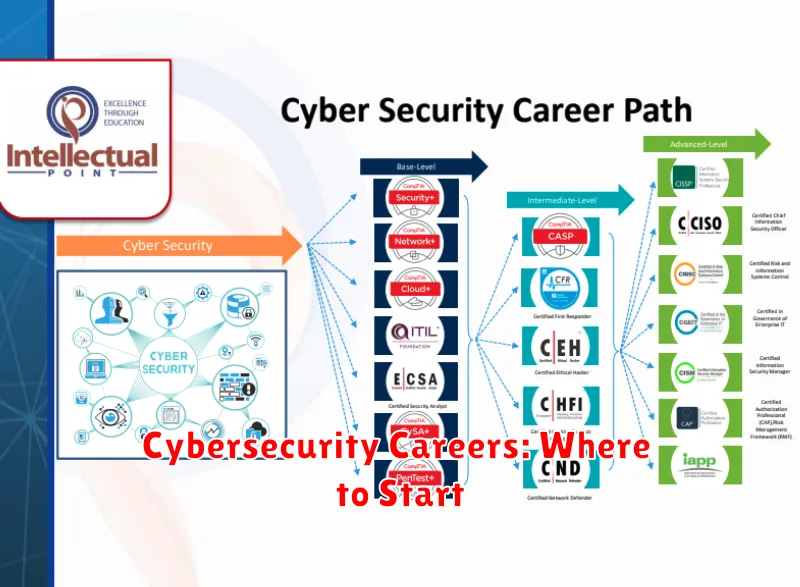
Pursuing relevant certifications can significantly enhance your chances of landing an entry-level cybersecurity role. CompTIA Security+, for instance, validates fundamental cybersecurity skills and is widely recognized in the industry. Building a strong foundation in networking concepts is also beneficial, with certifications like CompTIA Network+ offering a solid starting point.
Essential Skills to Learn
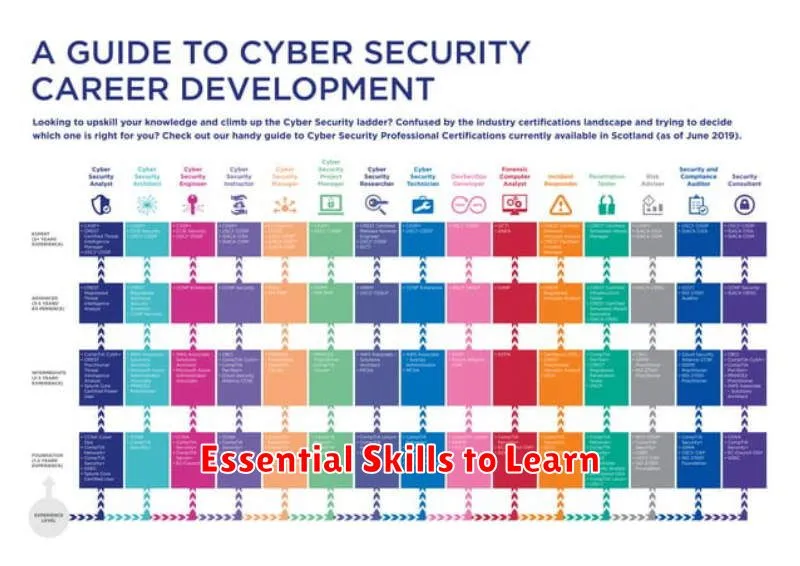
Embarking on a cybersecurity career requires a strong foundation in several key areas. Technical proficiency is paramount.
Technical Skills
You should focus on developing skills in networking, operating systems (like Windows and Linux), and cloud computing. Understanding how systems work, communicate, and are secured is crucial.
Security-Specific Skills
Equally vital are security-focused skills. These include a firm grasp of security principles, common vulnerabilities and exploits, and security auditing. Knowledge of firewall management and intrusion detection/prevention systems is also highly beneficial.
Foundational Knowledge
Underlying these practical skills should be a strong understanding of cryptography and security best practices. This knowledge provides the theoretical framework for effective cybersecurity measures.
Certifications That Help
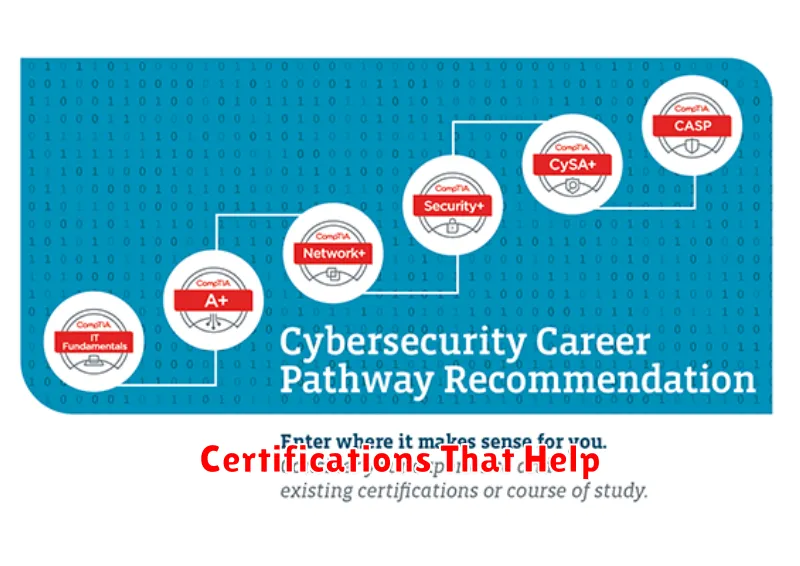
Several certifications can bolster your cybersecurity career prospects. These certifications validate your skills and knowledge to potential employers. Earning relevant certifications can significantly enhance your resume and demonstrate your commitment to the field.
Entry-Level Certifications
For those starting out, consider certifications like CompTIA Security+, which covers core security concepts. The SSCP (Systems Security Certified Practitioner) from (ISC)² is another excellent option for individuals pursuing security administration and operations roles.
Advanced Certifications
As you progress, consider advanced certifications like CISSP (Certified Information Systems Security Professional) from (ISC)² or CISM (Certified Information Security Manager) from ISACA. These certifications are highly regarded and suitable for experienced professionals. Penetration testing certifications, such as the OSCP (Offensive Security Certified Professional), are valuable for those interested in ethical hacking and vulnerability assessment.
Choosing the right certification depends on your career goals and experience level. Research various certifications and align them with your desired career path.
Resources to Get Started
Embarking on a cybersecurity career can feel overwhelming, but numerous resources are available to guide you. Certifications are a great way to demonstrate competency. Consider CompTIA Security+, Certified Information Systems Security Professional (CISSP), or Certified Ethical Hacker (CEH), depending on your interests.
Online courses and bootcamps offer structured learning paths. Many reputable platforms provide training in specific areas like penetration testing, ethical hacking, and network security. Look for programs that offer hands-on experience through labs and simulations.
Networking is crucial. Join professional organizations like (ISC)² or SANS Institute to connect with other professionals and learn about industry trends. Attending conferences and workshops can also provide valuable insights and connections.
Don’t underestimate the power of self-study. Numerous books, articles, and online communities offer free or low-cost resources. Practice your skills with virtual labs and capture-the-flag (CTF) competitions to build practical experience.
Job Market Outlook
The job market for cybersecurity professionals is exceptionally strong and projected to remain so for the foreseeable future. The increasing reliance on technology, coupled with the ever-evolving threat landscape, creates a constant demand for skilled individuals to protect sensitive data and systems.
According to the U.S. Bureau of Labor Statistics, information security analyst positions are projected to grow by 33% from 2020 to 2030, much faster than the average for all occupations. This translates to roughly 47,100 new job openings each year over the decade.
Various other cybersecurity roles, such as penetration testers, security architects, and incident responders, are also experiencing high demand. Organizations across all sectors, including government, healthcare, finance, and technology, require robust cybersecurity measures, further fueling the need for qualified professionals.
