

In today’s increasingly collaborative work environment, cloud storage offers a wealth of benefits for teams. Cloud storage solutions provide a centralized, accessible hub for all team files, fostering seamless collaboration and boosting productivity. Whether your team is spread across multiple locations or simply needs a more efficient way to manage shared documents, exploring the advantages of cloud storage can significantly improve workflow and communication. This article will delve into the key benefits of using cloud storage for teams, highlighting how it can streamline operations and enhance team performance.
From enhanced collaboration and improved version control to robust security measures and significant cost savings, the benefits of cloud storage for teams are numerous. By migrating to a cloud-based storage solution, teams can eliminate the frustrations of emailing attachments back and forth, reduce the risk of data loss, and enjoy the flexibility of accessing files from anywhere with an internet connection. Discover how cloud storage can empower your team to work smarter, not harder, and unlock the full potential of collaborative work.
Why Teams Need Cloud Storage
In today’s interconnected world, teamwork often spans across geographical locations and time zones. Cloud storage offers a centralized and accessible platform for teams to store, share, and collaborate on files, fostering seamless workflow regardless of physical proximity.
Enhanced Collaboration is a key benefit. Team members can access and modify files simultaneously, eliminating the need for cumbersome email attachments and version control issues. Changes are saved in real-time, ensuring everyone works with the most up-to-date information.
Cloud storage solutions also improve data security. With robust security measures like encryption and access controls, sensitive information is protected from unauthorized access. Centralized backups further ensure data remains safe and recoverable in case of hardware failures or other unforeseen events.
Finally, cloud storage contributes to increased efficiency. Streamlined workflows, automated version control, and quick access to files reduce time wasted searching for information or resolving conflicting versions, enabling teams to focus on productive tasks.
Security and Collaboration Benefits
Cloud storage offers robust security measures to protect sensitive team data. Features like data encryption, access controls, and two-factor authentication help safeguard information from unauthorized access. Regular data backups and disaster recovery options ensure business continuity even in unforeseen circumstances.
Furthermore, cloud storage significantly enhances team collaboration. Team members can access and share files from anywhere with an internet connection, facilitating seamless teamwork regardless of location. Version control features track changes and allow easy reversion to previous versions, minimizing conflicts and promoting efficient collaboration.
Integration with Productivity Tools

Cloud storage solutions often seamlessly integrate with other productivity tools, streamlining workflows and enhancing team collaboration. This integration eliminates the need to constantly switch between different applications, saving valuable time and reducing the risk of errors.
Key benefits of this integration include direct access to cloud storage from within other applications, such as word processors, spreadsheet software, and presentation tools. This allows teams to easily collaborate on documents, share files, and work together in real time without having to manually download and upload files.
Furthermore, many cloud storage platforms integrate with project management software, communication platforms, and other business applications. This unified approach simplifies project management, centralizes communication, and improves overall team efficiency.
File Versioning and Backup Support
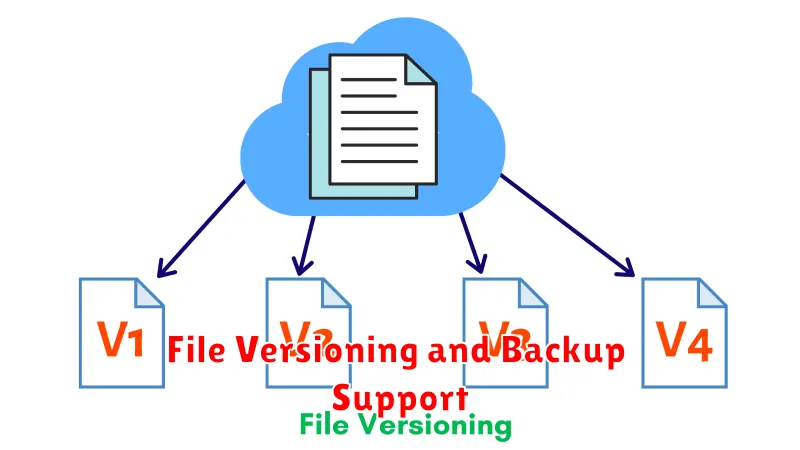
Cloud storage solutions offer robust file versioning and backup capabilities, safeguarding your team’s data against accidental deletion or modification. Versioning allows you to revert to previous versions of a file, providing a safety net for mistakes or unwanted changes. This feature is crucial for collaborative work, ensuring that progress isn’t lost due to errors.
Automated backup features ensure data redundancy and protect against data loss due to hardware failures, software corruption, or even cyberattacks. These backups are typically stored in geographically separate locations, offering further resilience against localized disasters.
Cross-Platform Access Anywhere

One of the most significant advantages of cloud storage for teams is its cross-platform accessibility. Team members can access files from any device, regardless of the operating system. Whether they are using a Windows PC, a macOS laptop, an Android tablet, or an iOS smartphone, the cloud ensures seamless access to shared data.
This anywhere, anytime access eliminates the limitations of traditional file storage methods, which often require specific software or hardware configurations. With cloud storage, team members can collaborate effectively from diverse locations and devices, improving productivity and streamlining workflows.
Synchronization capabilities further enhance cross-platform access. Changes made on one device are automatically reflected across all other connected devices, ensuring everyone works with the most up-to-date versions of files.
Cost-Effectiveness for Businesses
Cloud storage offers significant cost advantages over traditional on-premises solutions. Eliminating the need for expensive hardware, such as servers and hard drives, drastically reduces capital expenditure.
Operational costs are also minimized. With cloud storage, businesses avoid the ongoing expenses associated with maintaining and upgrading physical infrastructure, including power consumption, cooling, and IT staff.
The scalable nature of cloud storage allows businesses to pay only for the storage capacity they need, further optimizing costs. This eliminates the need for large upfront investments in storage infrastructure that may not be fully utilized.
