
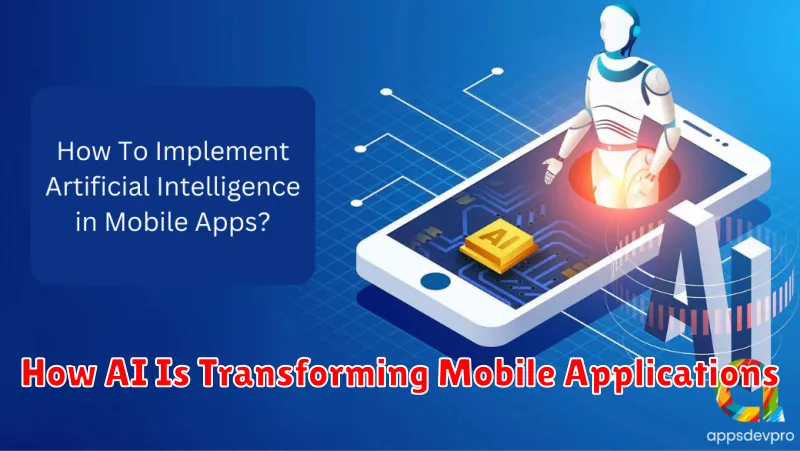
The mobile app landscape is undergoing a dramatic transformation, fueled by the rapid advancement and integration of artificial intelligence (AI). AI is no longer a futuristic concept; it’s a present reality profoundly impacting how we interact with our mobile devices and the applications we use daily. From personalized recommendations and enhanced user experiences to predictive analytics and automated tasks, AI is revolutionizing the functionality and capabilities of mobile applications across various sectors, including e-commerce, healthcare, finance, and entertainment. Understanding how AI is reshaping mobile applications is crucial for developers, businesses, and users alike, as it unlocks new possibilities and presents unprecedented opportunities for innovation and growth in the mobile ecosystem.
This article delves into the multifaceted ways AI is transforming mobile applications. We will explore the core AI technologies driving this change, such as machine learning (ML), natural language processing (NLP), and computer vision. We will also examine specific examples of AI integration in mobile apps, highlighting the benefits and challenges this powerful technology presents. Furthermore, we will discuss the future trajectory of AI in mobile application development, providing insights into the emerging trends and potential disruptions that will shape the future of mobile experiences.
AI in Today’s Mobile World
Artificial intelligence (AI) is rapidly transforming the mobile landscape, impacting how we interact with our devices and the world around us. AI-powered features are now commonplace in many mobile applications, offering personalized experiences, enhanced productivity, and seamless automation.
From virtual assistants like Siri and Google Assistant to sophisticated camera applications utilizing computer vision, AI is deeply integrated into our daily mobile usage. This integration is facilitated by advancements in mobile processors and cloud computing, enabling complex AI algorithms to run efficiently on mobile devices and access vast datasets remotely.
Furthermore, AI plays a crucial role in mobile app development itself. Tools leveraging AI can assist developers in automating tasks, optimizing performance, and enhancing user experience. This allows for the creation of more intelligent and intuitive applications.
Smart Assistants and Chatbots
Smart assistants and chatbots are significantly changing how users interact with mobile applications. These AI-powered tools provide conversational interfaces, allowing users to accomplish tasks, retrieve information, and receive support through natural language.
Integrated within apps or operating systems, smart assistants offer personalized experiences by learning user preferences and anticipating needs. They can proactively suggest actions, automate routine tasks, and provide relevant information based on context.
Chatbots, often deployed for customer service and engagement, are becoming increasingly sophisticated. They leverage natural language processing (NLP) and machine learning to understand user queries and provide helpful responses. This automation enhances efficiency and availability, offering instant support to users.
AI for Personalization
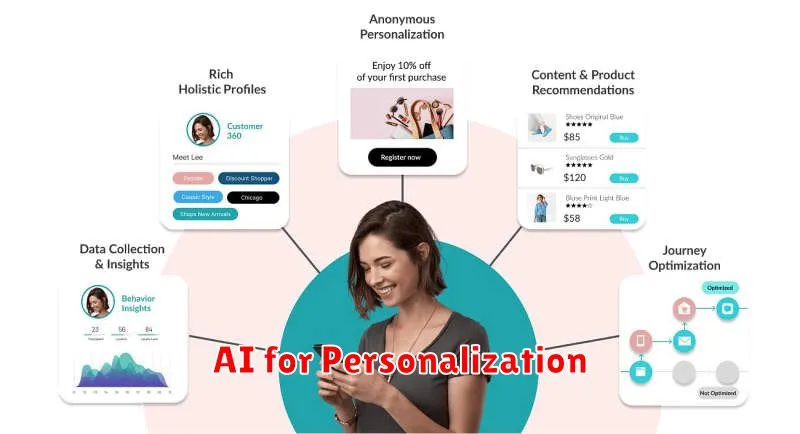
Artificial intelligence is revolutionizing the way mobile applications deliver personalized user experiences. By leveraging AI, apps can analyze vast amounts of user data to understand individual preferences, behaviors, and needs. This data-driven insight enables apps to tailor content, features, and recommendations specifically to each user.
AI-powered personalization goes beyond simply suggesting products or services. It can optimize the entire user journey, from onboarding to engagement and retention. For instance, AI algorithms can personalize the app’s user interface, showing relevant features prominently while hiding less used ones. This creates a more streamlined and intuitive experience.
Furthermore, AI can dynamically adjust content based on real-time user behavior and context. If a user frequently interacts with a particular type of content, the app can prioritize similar content in the future. This ensures that users are always presented with information and features that are most relevant to their current needs.
Improving App Security with AI
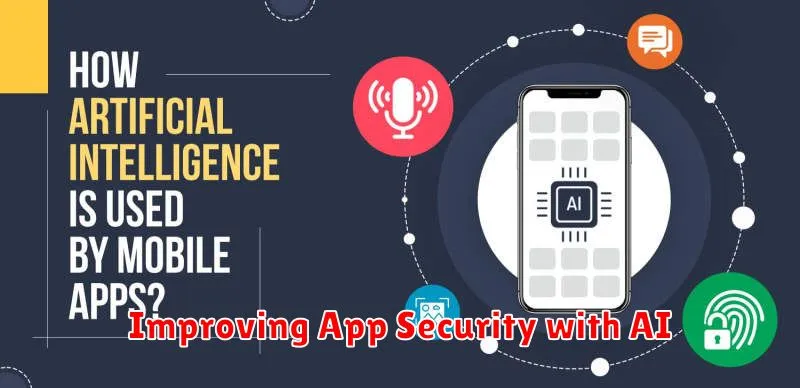
Artificial intelligence (AI) is playing a crucial role in bolstering mobile app security. AI-powered systems can analyze vast amounts of data to detect and predict potential threats more effectively than traditional methods. This proactive approach helps to identify vulnerabilities and prevent security breaches before they occur.
One key application of AI is in real-time threat detection. AI algorithms can monitor app behavior, user interactions, and network traffic to identify suspicious patterns indicative of malware, phishing attacks, or other malicious activities. These systems can automatically flag and respond to threats, mitigating potential damage.
AI also enhances security through improved authentication methods. Biometric authentication, such as facial recognition and fingerprint scanning, utilizes AI to verify user identities with greater accuracy and security. Behavioral biometrics, which analyzes user interaction patterns, adds another layer of protection by detecting anomalies that may suggest unauthorized access.
Enhancing User Experience
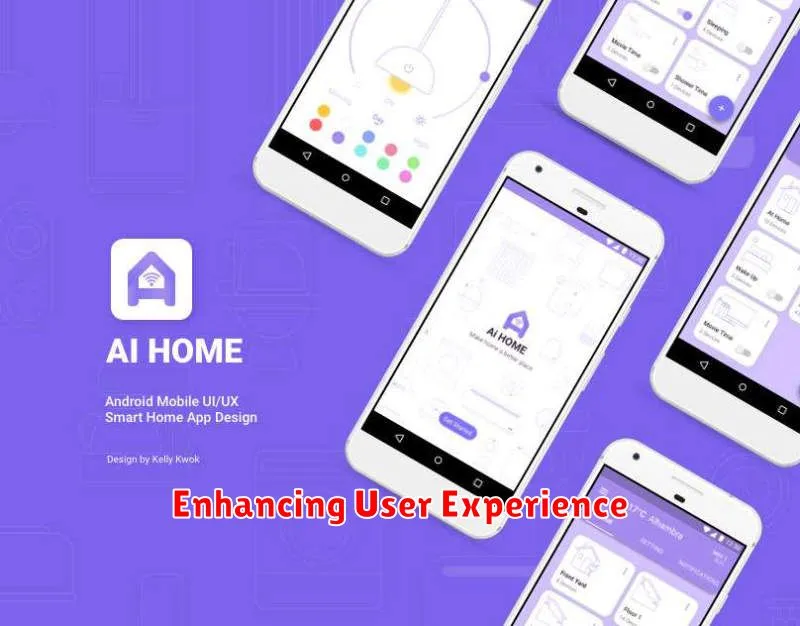
Artificial intelligence is playing a crucial role in elevating the user experience within mobile applications. By leveraging AI capabilities, developers are creating more intuitive, personalized, and efficient apps.
One key area is personalization. AI algorithms analyze user behavior, preferences, and context to deliver tailored content and recommendations. This creates a more engaging and relevant experience, increasing user satisfaction and retention.
AI-powered chatbots are another significant advancement. These virtual assistants provide instant support and guidance, addressing user queries and resolving issues efficiently. This reduces the need for human intervention and enhances customer service.
Furthermore, AI enhances app usability through features like voice control and predictive text. These functionalities simplify interactions, making apps more accessible and convenient for users.
