

In today’s interconnected world, cybersecurity is paramount, especially for developers. Building secure software requires more than just clean code; it demands a proactive approach to identifying and mitigating vulnerabilities. Utilizing the right cybersecurity tools can significantly strengthen your development process and protect your applications from evolving threats. This article explores the top free cybersecurity tools available to developers, empowering you to create more secure and resilient software.
Whether you’re a seasoned developer or just starting out, understanding the available free cybersecurity tools is crucial. From static analysis tools that scan your code for vulnerabilities to dynamic analysis tools that test your running application, a comprehensive suite of free tools can help you build robust security into every stage of development. This compilation highlights some of the most effective and accessible cybersecurity tools for developers, giving you the resources you need to create software that is secure by design.
Importance of Cybersecurity in Dev Work
In today’s interconnected world, cybersecurity is paramount, especially in software development. Developers play a critical role in building secure applications and systems. Neglecting security practices during the development lifecycle can lead to vulnerable software, exposing sensitive data to breaches and attacks.
Integrating security throughout the development process, also known as “DevSecOps“, is essential. This approach emphasizes building security into every stage, from design and coding to testing and deployment. By prioritizing security from the outset, developers can minimize risks and create more resilient applications.
The consequences of insecure software can be severe. Data breaches can damage reputations, incur financial losses, and erode user trust. Therefore, developers must understand and implement secure coding practices and utilize available tools to identify and mitigate vulnerabilities effectively.
Static and Dynamic Analysis Tools
Static and dynamic analysis tools are crucial for identifying security vulnerabilities in software. Static analysis examines the code without executing it, searching for potential weaknesses based on predefined rules and patterns. This method is useful for catching common coding errors and style issues early in the development lifecycle.
Dynamic analysis, on the other hand, analyzes the software during runtime. By observing the application’s behavior in a controlled environment, dynamic tools can uncover vulnerabilities that might not be apparent through static analysis alone. This approach is especially effective for detecting issues related to memory management, input validation, and concurrency.
Several free and open-source tools excel in these areas. For static analysis, tools like SonarQube and FindBugs offer comprehensive code scanning capabilities. For dynamic analysis, OWASP ZAP and other specialized tools focus on runtime behaviors and web application security.
Open Source Firewalls
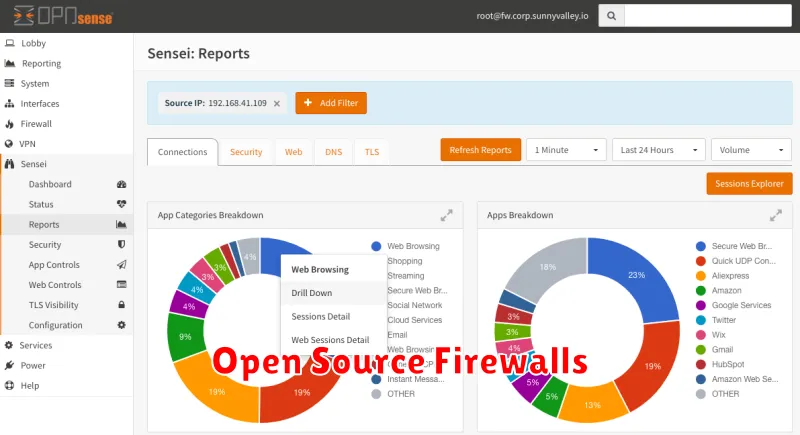
Open-source firewalls offer developers robust network security solutions without licensing costs. They provide a high degree of customization and control over network traffic, allowing developers to tailor security rules to specific application needs. This flexibility is particularly beneficial in development environments where frequent changes and experimentation are common.
Key advantages of utilizing open-source firewalls include transparency, allowing developers to inspect and modify the source code for enhanced security audits and customization. Additionally, active community support provides readily available documentation, troubleshooting assistance, and frequent updates to address vulnerabilities.
Popular choices include pfSense, OPNsense, and IPFire. These solutions offer features such as packet filtering, intrusion detection/prevention, and virtual private network (VPN) capabilities. Developers can leverage these tools to create secure development environments, test application security, and gain valuable experience with firewall configuration and management.
Code Scanning Tools for Bugs
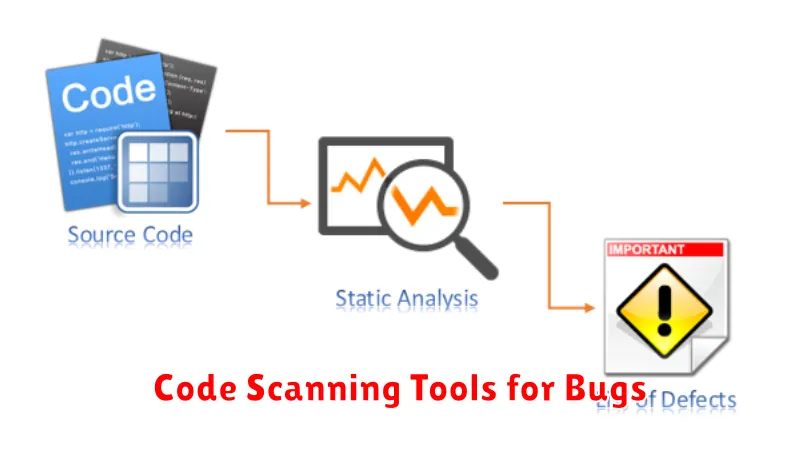
Static Application Security Testing (SAST) tools examine the source code without actually running it. They are adept at finding potential vulnerabilities early in the development lifecycle, such as SQL injection flaws and cross-site scripting (XSS) errors. These tools offer a proactive approach to security by identifying weaknesses before deployment.
Dynamic Application Security Testing (DAST) tools, conversely, analyze the application while it’s running. They simulate real-world attacks to uncover vulnerabilities that might not be apparent through static analysis. DAST excels at finding runtime issues and is especially effective at identifying authentication and authorization bypasses.
Below is a comparison of SAST and DAST:
| Feature | SAST | DAST |
|---|---|---|
| Analysis Time | During development | During testing/runtime |
| Code Access | Requires source code | Does not require source code |
| Vulnerability Focus | Code-level flaws | Runtime and environment vulnerabilities |
Password Hashing Libraries
Never store passwords in plain text. Using robust password hashing libraries is crucial for protecting user credentials. These libraries employ strong, one-way cryptographic functions to transform passwords into irreversible hashes.
Here are a few popular and respected libraries:
- bcrypt: A widely used algorithm known for its adaptive hashing capabilities, making it resistant to brute-force attacks. It’s readily available in most programming languages.
- scrypt: Designed to be more memory-intensive, making it harder to crack using specialized hardware. It offers a good balance between security and performance.
- Argon2: A more recent algorithm that won the Password Hashing Competition. It’s highly configurable and offers excellent resistance against various attack types including GPU cracking.
Selecting the right library depends on your specific security requirements and system resources. Always consult up-to-date security best practices and consider factors like computational cost and available implementations within your chosen development environment.
Vulnerability Scanners

Vulnerability scanners are essential tools for developers, automating the process of identifying security weaknesses in applications and systems. These tools examine your code, network, or systems for known vulnerabilities, comparing them against a database of common exploits.
Several free and open-source vulnerability scanners provide valuable insights for developers. These tools can help identify issues early in the development lifecycle, reducing the risk of costly security breaches.
Key Benefits
- Early Detection: Discover vulnerabilities before they are exploited.
- Automation: Streamline the security auditing process.
- Reduced Risk: Mitigate potential security breaches and data compromise.
